

When couples decide to have a baby, they often simply stop using birth control and hope for the best. Few consider how their daily habits prior to trying to conceive play a role. However, pre-conception choices can directly influence both fertility and the health of a pregnancy.
According to the NHS, more than 8 in 10 couples under 40 conceive within a year of trying. While some factors affecting fertility are beyond control, simple daily habits can support your body during this time. This guide explores practical lifestyle adjustments that can help optimise your well-being as you prepare for this next chapter.
At Emma Waight, we are dedicated to helping individuals transform their lives through tailored guidance that inspires positive change and personal growth.
Why Prepare Before You Start Trying?
Getting pregnant is not just about how old you are or your body’s natural ability. Things like stress, how much you sleep, your weight, what you eat, and your everyday routines all matter for both of you, not just one person.
A 2026 Tommy’s report found that almost 40% of women stop using birth control in the same week they decide they want to have a newborn. This leaves little time to build supportive habits beforehand. Giving yourself a few months to prepare allows your body and relationship to adapt gradually, taking away the feeling of being rushed.
Simple Lifestyle Changes Worth Making
Small, steady changes tend to work better than a sudden overhaul. Here are five worth making before you start trying:
Eat a Balanced, Nutritious Diet
Eating a variety of colourful foods, such as leafy greens and oranges, along with whole grains, provides your body with many different nutrients. Folic acid is particularly crucial. The NHS suggests taking a daily supplement for three months before you start trying to conceive. Making small changes, like preparing a vegetable curry in advance instead of buying a pre-made meal, can make a difference over time.
Stay Active with Moderate Exercise
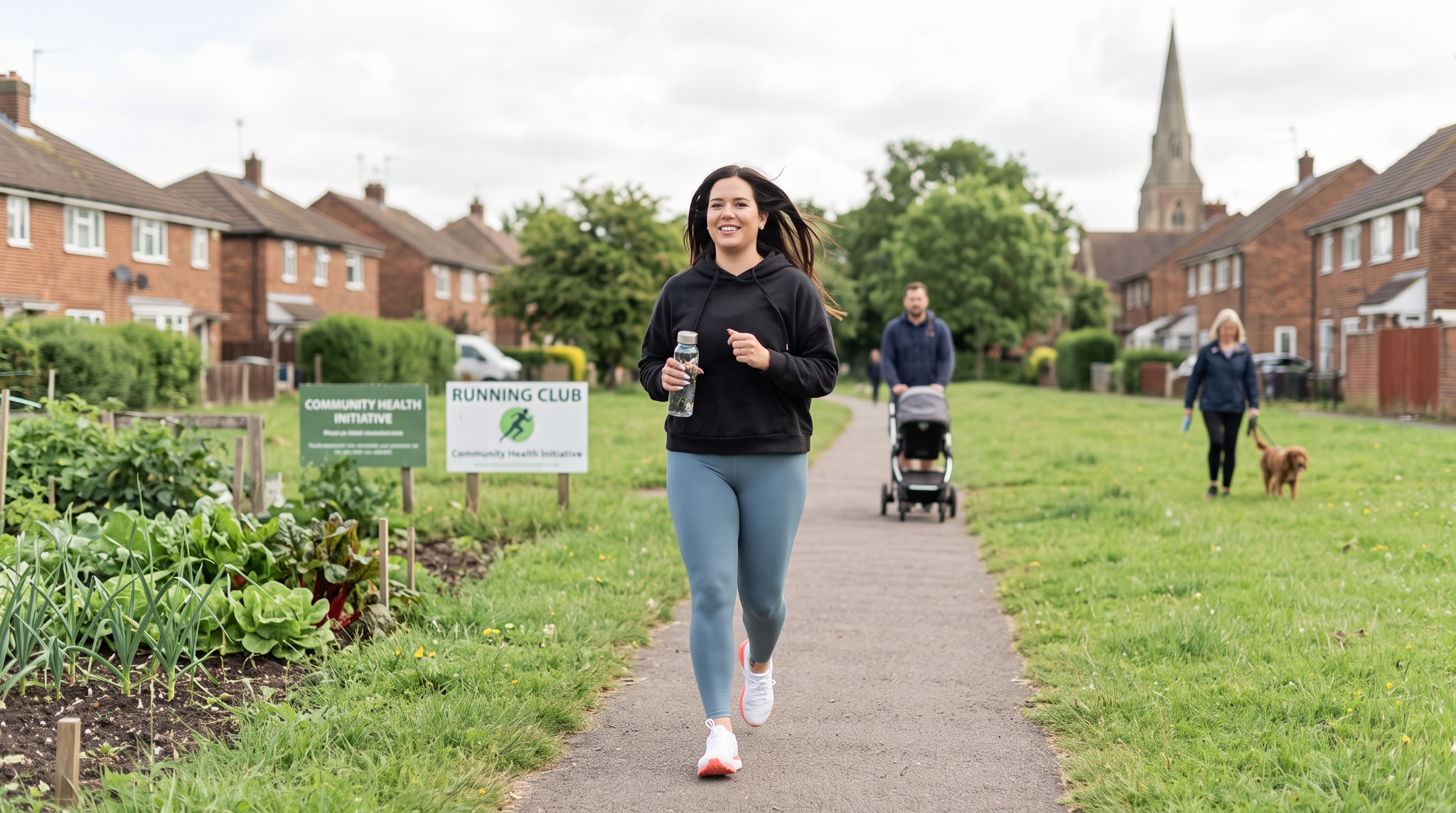
Staying active is important for both you and your partner. Simple activities like walking, swimming, or dancing can help you stay at a healthy weight and feel less stressed. You don’t need a gym membership or a strict routine to do this. Try to get about 30 minutes of movement most days; just enough to get your heart pumping a little faster.
For a visual representation, explore this guide that explains how moderate exercise can support your body when preparing for pregnancy:
Reduce Alcohol and Stop Smoking
Both smoking and heavy drinking can affect egg and sperm quality. Reducing or cutting out these habits gives your body the best possible start. For example, you could replace an evening glass of wine with sparkling water and a splash of lime, and seek free NHS support to help you quit smoking completely. Making these small changes together can lead to major improvements.
Look After Your Emotional Well-Being
Trying to get pregnant can bring up a lot of different feelings, like excitement and worry, sometimes all in the same week. It’s helpful to talk openly with your partner about these feelings instead of keeping them to yourself. This can help you reduce the pressure that might build up over time.
Specialists at https://www.hulleastridingfertility.co.uk/ talk through what a fertility journey might involve, helping the emotional side feel less daunting for anyone in Yorkshire or Lincolnshire. The team can help you understand fertility early on, even before you might need treatment.
This helps make unanswered questions far easier to handle. Having access to clear, unhurried advice gives you a far more stable foundation, no matter where you are on your path.
Book a Preconception Health Check
It is a good idea to see your doctor before you start trying for a baby. They can check for any health issues that might need attention, like your blood pressure or whether you are up-to-date on vaccinations. It is also beneficial to bring your partner, as sperm health matters just as much as egg health. This quick chat can give you peace of mind instead of leaving you with unanswered questions.
Conclusion
Getting ready for a baby is not about being perfect. Consistent, positive habits, such as eating well, staying active, reducing alcohol intake, and even speaking openly with your healthcare provider, all add up over time.
Many factors affect fertility, and some are out of your control. However, taking proactive steps now can help you and your partner feel healthier, calmer, and better prepared for the journey ahead. Begin with just one manageable step today. For more personalised coaching support, reach out to us at Emma Waight now.