

Many people struggle to find quiet moments during the day. Phones buzz, laptops ping, and family members call from the next room. Before they know it, the evening comes, and they have not really rested.
This problem affects many people. According to Ofcom, UK adults spend an average of 4.5 hours online each day. This constant connectivity makes it incredibly difficult to unplug and recharge.
People are not just tired; they are overstimulated. Instead of planning a costly getaway, many find that the best way to slow down starts at home.
At Emma Waight, we are dedicated to helping individuals transform their lives through tailored coaching methods that inspire positive change and personal growth.
What a Personal Retreat Actually Means
A personal retreat doesn’t have to be big or fancy. It doesn’t need to be a special room with expensive furniture or a cabin in the garden.
At its core, it is a space that is just for you. It is a place where you don’t have to work, screens are optional, and no one demands anything from you.
For some, this could be a reading corner with a comfortable chair and a warm lamp. For others, it might be a silent garden where you can hear the birds sing. For many, it is a spare room used for journalling, painting, or just sitting and relaxing.
A 2026 Mental Health Foundation report found that 28% of UK adults reported doing something enjoyable such as a hobby was one of the most helpful actions they took to support their mental health. A dedicated space for those activities makes it far easier to actually do them.
What’s really important is not just the physical space you have, but what it represents: the freedom to take our time and go at a slower pace.
Why Physical Space Supports Mental Wellbeing
Psychologists say your surroundings can affect how you think and feel. When a space is linked to work or chores, your mind reacts differently to it. Changing your environment for a short time can shift your mindset.
For a clear visual guide, check out this resource showing how the environment can help mindfully relieve stress:
This is why many people find it challenging to relax in a home office or feel anxious on a sofa facing a pile of work. Your brain needs clear signals.
It creates a separation between daily stress and personal time. This separation doesn’t need to be a wall or a locked door; it just needs to feel different.
Practical Ideas for Every Home and Budget
You do not need to make big changes to create a calming personal retreat for yourself. Here are some practical ideas:
A Corner Inside the Home
A single chair near a window, away from any desk or screen, can easily become a great spot for reading. Changing the furniture, lighting, and scent can completely change how a space feels.
An Outdoor Pause Space
A garden bench with a simple canopy provides quiet outdoor space for most of the year. Even a small patio corner bordered by potted plants can offer a fresh perspective.
A Separate Space Altogether
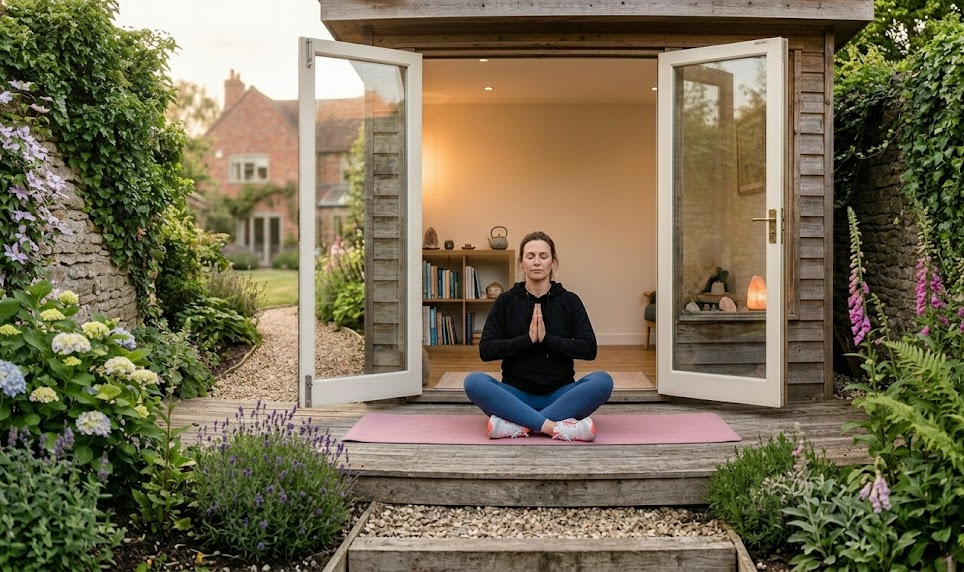
Many people find that creating a dedicated retreat space works best when it feels physically separate from the main home. For some homeowners, this might mean converting a spare room, while others choose outdoor spaces such as garden studios or summer houses from Elfords that provide a quiet place to read, create or simply unwind.
The Value of Doing Nothing on Purpose
Individuals are beginning to understand that resting is not being lazy. Taking time to do nothing, like meditating, breathing slowly, or simply watching your garden for a few minutes, is a real way to take care of yourself.
Having a special place for retreats helps reduce the guilt that often comes with resting during the day. When your space tells you “this is for you,” it’s easier to accept that you deserve it.
Small rituals can also help. Making a hot cup of coffee before you sit down, lighting a candle, or putting your phone face down can signal to your mind that it’s time to relax.
For anyone looking to build these habits with more intention, explore this practical guide on mental wellbeing tips covering mindfulness, meditation, and much more.
Conclusion
You can create a personal retreat at home without spending a lot of money or needing much space. What matters is having a clear intention. Transforming a small corner into a dedicated space for quiet reflection, creativity, or rest can reduce stress and improve your daily well-being.Building a home that supports your peace of mind is worth it, one small and thoughtful space at a time. For personalised coaching support, contact us at Emma Waight.

